Category: Book Review

  • Book Review: The How Not to Age Cookbook by Michael Greger

    Book Review: The How Not to Age Cookbook by Michael Greger

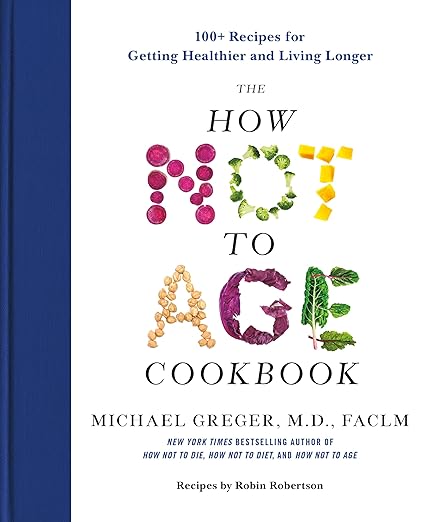
    If you’ve been following me for a while, you’ll know I love anything by Michael Greger, including his nonprofit site, NutritionFacts.org. So I was especially excited to get my hands on his latest release, The How Not to Age Cookbook, and I wasn’t disappointed. It’s always wonderful to have another whole-food, plant-based cookbook on the shelf. These kinds of books take so much of the thought and guesswork out of preparing WFPB meals.

    The introduction is brief but packed with helpful information. I especially appreciated the “Asked and Answered” section, which covers just ten questions but they’re some of the most common ones Dr. Greger receives. My favourite? “Raw, Roasted, or Toasted [nuts]?” A few years ago, I researched this question myself and found it tricky to pin down. Now, here it is explained clearly in print. (The answer: raw.)

    The recipes themselves make meal planning simple and approachable. There’s a wide range of options, from breakfasts and snacks to mains, organized into categories like burgers, pastas, beans, grains, and sweet treats. The photos are gorgeous, and the recipes are well laid out. My current favourite is Umami Sauce 2.0, since I’ve been looking for a tasty alternative to soy sauce on my veggies. A close second is the Blueberry Chia Pie, not only delicious, but visually stunning!

    If you’re looking to dive deeper into whole-food, plant-based cooking or simply expand your WFPB cookbook collection, I highly recommend this one.

  • Book Review: The Gut-Brain Paradox by Steven R. Gundry

    Book Review: The Gut-Brain Paradox by Steven R. Gundry

    Spoiler alert: This book is not worth your time.

    When I went looking for a new gut health read this summer, this one popped up, so I borrowed it from the library. At first glance, it looked reputable: Steven Gundry is an MD and a New York Times bestselling author, the back cover is plastered with endorsements (including big names like Daniel Amen and Terry Wahls), and nearly a third of the book is the reference list. Promising, right? Wrong. The subtitle: “Improve your mood, clear brain fog, and reverse disease by healing your microbiome” sounded right up my alley, right?  Wrong again.

    This book is riddled with pseudoscience, and one of the worst offenders is Gundry’s advice to avoid all foods containing lectins (beans, lentils, whole grains, bell peppers, soy, potatoes, etc.), foods that are staples in Blue Zone populations, some of the longest-lived people on Earth. But the real jaw-dropper came in the “Do: Get Your Fiber” section, where he writes: “Finally, don’t forget your animal fiber.”

    Animal fiber?! Is that even a thing? According to Gundry, examples include “ligaments, tendons, bones, and cartilage of meat and fish” and contribute to gut health. He even cites a study so I checked it. The article, from the Journal of Animal Science, is titled: “Fermentation of animal components in strict carnivores: A comparative study with cheetah fecal inoculum.” Yes, you read that right. His recommendation for humans is based on cheetah poop.

    At that point, I dug deeper. I found a scathing review by Drs. T. Colin Campbell, PhD, and Thomas Campbell, MD (T. Colin Campbell Center for Nutrition Studies) of Gundry’s earlier book, The Plant Paradox. And Dr. Michael Greger of NutritionFacts.org made a short video about that same book with the tagline: “A book purported to expose the ‘hidden dangers’ in healthy foods doesn’t even pass the whiff test.”

    Now, to be fair, Gundry does offer some decent advice: eat fermented foods, polyphenols, vegetables, healthy fats, get vitamin D, avoid processed foods, and don’t overdo protein. But with all the pseudoscience, and his supplement and skincare lines, it’s hard not to call him a quack out to make a buck.

    I’ll let the Campbells’ words about The Plant Paradox sum it up: “What a shame that this type of unscientific nonsense creates so much unnecessary confusion, with deadly consequences.”

    My verdict: Give this one a wide pass.


  • Book Review: Super Gut: Reprogram Your Microbiome to Restore Health, Lose Weight, and Turn Back the Clock by William Davis

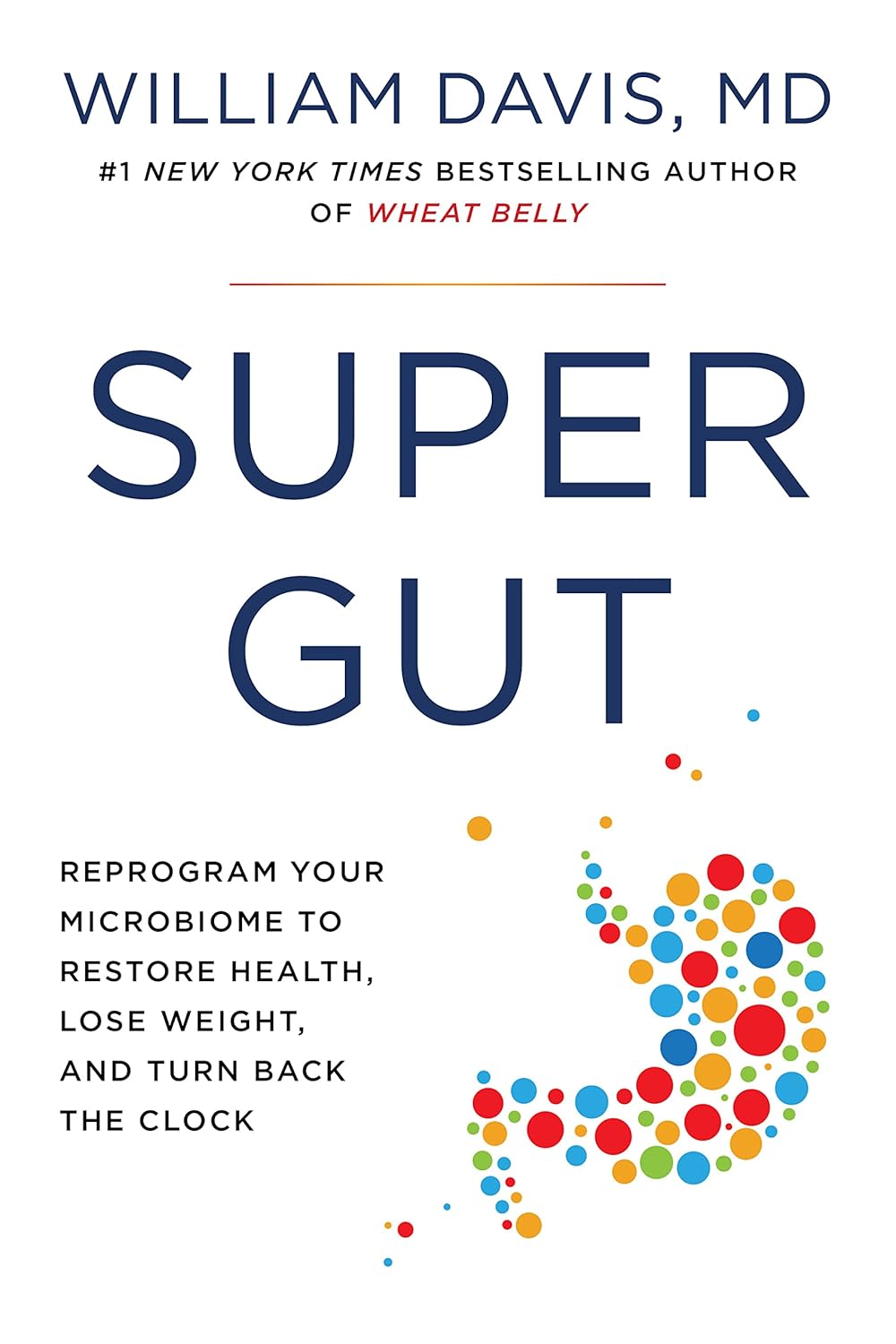
    Book Review: Super Gut: Reprogram Your Microbiome to Restore Health, Lose Weight, and Turn Back the Clock by William Davis

    This is a book I often recommend, and I regularly hear back that it’s made a real difference. If the author’s name sounds familiar, you might recall Wheat Belly, his bestselling book from over a decade ago.

    Super Gut is an engaging, easy read that manages to entertain while explaining complex science. It’s divided into four parts with cheeky titles: Bowel Blues, Frankenbelly & Friends, Gut Reaction, and Build Your Own Super Gut: A Four-Week Program. Davis draws strong connections between gut health and a range of modern ailments, then outlines practical protocols for healing the gut.

    In Part 2, Davis explains how modern inventions like antibiotics, pesticides, herbicides, and processed diets have contributed to what he calls the “Frankenbelly”, a microbiome so disrupted it’s nearly unrecognizable as human. He discusses the importance of mucus in gut health, the role of prebiotic fibers in feeding beneficial bacteria, and how changes in the gut environment can lead to bacterial and fungal overgrowth.

    Part 3 dives into SIBO (Small Intestinal Bacterial Overgrowth) and SIFO (Small Intestinal Fungal Overgrowth). Davis explains how these imbalances occur, the symptoms they produce (like food intolerances, skin rashes, and sugar cravings), and their connection to conditions such as obesity, IBS, Parkinson’s, and depression. While the information can be sobering, he offers hope by emphasizing that healing is possible and well worth the effort.

    Finally, Part 4 outlines a four-week gut-healing protocol, including recipes for homemade probiotic-rich yogurt and other microbiome-friendly foods. Davis’ protocol requires readers to eliminate factors that can disrupt the microbiome. This list includes avoiding sugar, synthetic sweeteners, and emulsifiers, to name a few.

    Although I don’t agree with all of his nutritional recommendations, if you’re curious about the gut microbiome and want actionable steps to improve your health, Super Gut is a fascinating and worthwhile read.

  • Book Review:  Listen by Kathryn Mannix

    Book Review:  Listen by Kathryn Mannix

    “Right now, there is quite likely to be a conversation you are trying to avoid. It is probably one that is important to you, but it has a quality of discomfort to it.”

    This month, I took a break from my usual nutrition-focused reading and finally sat down with Listen: How to Find the Words for Tender Conversations by Kathryn Mannix. It’s been sitting in my to-read pile since it was published in 2021. (You may know Mannix from her bestselling book With the End in Mind.)

    As I’ve mentioned before, lifestyle medicine is built on six foundational pillars: a whole-food, plant-predominant eating pattern, regular physical activity, restorative sleep, stress management, avoidance of risky substances, and positive social connections. These pillars are deeply interconnected and form the basis for preventing, treating, and managing chronic diseases. Mannix’s Listen is a powerful resource for strengthening the pillar of positive social connection.

    What a resource this book is! In the first part, Mannix breaks down the basic skills required to open up meaningful dialogue, especially what she calls “tender conversations.” The later chapters show how to apply these skills in particularly difficult or emotionally charged situations. While the book ends with a helpful “style guide” of useful phrases, the bulk of its power lies in storytelling. Mannix emphasizes that for a conversation to feel genuine, it must come from our own words. The stories she shares are incredibly moving, so many of them resonated with me on a deeply personal level. 

    The chapter that stood out the most for me was titled Where Are the Listening Spaces? In it, Mannix discusses social prescribing, a practice in which healthcare providers refer patients to non-medical, community-based support systems to improve overall well-being. She writes:

    Social prescribing recognizes that we are social beings and that connection is good for us, boosts our mood, and keeps us healthy.

    She also introduces the concept of Compassionate Space—places where people can connect, share stories, listen, and co-create meaning together. 

    This book has me thinking about how I can integrate the skills of tender conversation into my own life, both personally and professionally. Mannix leaves us with a guiding message, one that has stayed with me:

    “Compassion shared transforms lives, and listening is a good place to start.”


  • Book Review: Fiber Fueled by Dr. Will Bulsiewicz

    Book Review: Fiber Fueled by Dr. Will Bulsiewicz

    I absolutely love this book and would recommend it to everyone. Dr. Will Bulsiewicz (a.k.a. Dr. B) is a gastroenterologist, but he’s also incredibly approachable. I’ve followed him over the years and genuinely appreciate his knowledge, compassion, and sense of humour. Nearly half the book is recipes, so don’t be intimidated, this is an easy, engaging, and entertaining read.

    The book is thoughtfully structured into three parts, each building on the last:

    • Part 1: Knowledge is Power
    • Part 2: The Fiber Fueled Approach
    • Part 3: The Fiber Fueled Plan

    Part 1: Knowledge is Power

    This section dives deep into gut microbiota. Did you know there may be up to 36,000 species of bacteria living in your gut? The key to a healthy gut is diversity. When the gut microbiome is imbalanced, it can contribute to a range of diseases. Dr. B discusses symptoms of a damaged gut, some expected (gas, bloating, abdominal pain), and others surprising (anxiousness, sinus congestion, bad breath).

    He explores how the gut is essential to immune function and connects it to metabolic conditions (like obesity, type 2 diabetes, pancreatitis), hormonal conditions (endometriosis, sexual dysfunction, breast cancer), and neuropsychiatric conditions (Alzheimer’s, Parkinson’s, fibromyalgia, depression).

    Dr. B. explains how our modern lifestyle, marked by being overfed, undernourished, and hyper-medicated, is damaging our health. He critiques the Standard American Diet (SAD) for its excess of sugar, refined carbs, salt, preservatives, additives, artificial sweeteners, unhealthy fats, animal protein, and fad diets.

    He also takes a deep dive into fiber and short-chain fatty acids (SCFAs), explaining their powerful role in protecting against disease.

    Part 2: The Fiber Fueled Approach

    This section focuses on how to heal your gut by increasing fiber intake. For those who struggle with fiber digestion, there’s a full chapter dedicated to overcoming food sensitivities and intolerances. Fermented foods are another key element of gut healing.

    Dr. B also breaks down the gut health essentials: prebiotics, probiotics, and postbiotics. To make it easier to remember what to eat, he introduces a simple acronym: F-GOALS

    • F: Fruit & Fermented
    • G: Greens & Grains
    • O: Omega-3 Super Seeds
    • A: Aromatics (onions, garlic)
    • L: Legumes
    • S: Sulforaphane (broccoli sprouts & cruciferous veggies)

    Part 3: The Fiber Fueled Plan

    The final section lays out a practical, approachable plan to put the knowledge into action. It includes easy and tasty recipes to help you start your journey toward better health.

    This book is amazing—it provides both the “why” and the “how” behind the plan, which is key to lasting change.

    If you’re living with GI issues or chronic disease and haven’t read Fiber Fueled, get yourself a copy now. You won’t be disappointed, and you’ll be well on your way to better health. And if you ever get the chance to hear Dr. Bulsiewicz speak, don’t miss it—he’s down-to-earth, knowledgeable, and truly inspiring.

  • Book Review: The Dorito Effect: The Surprising New Truth About Food and Flavor by Mark Schatzker

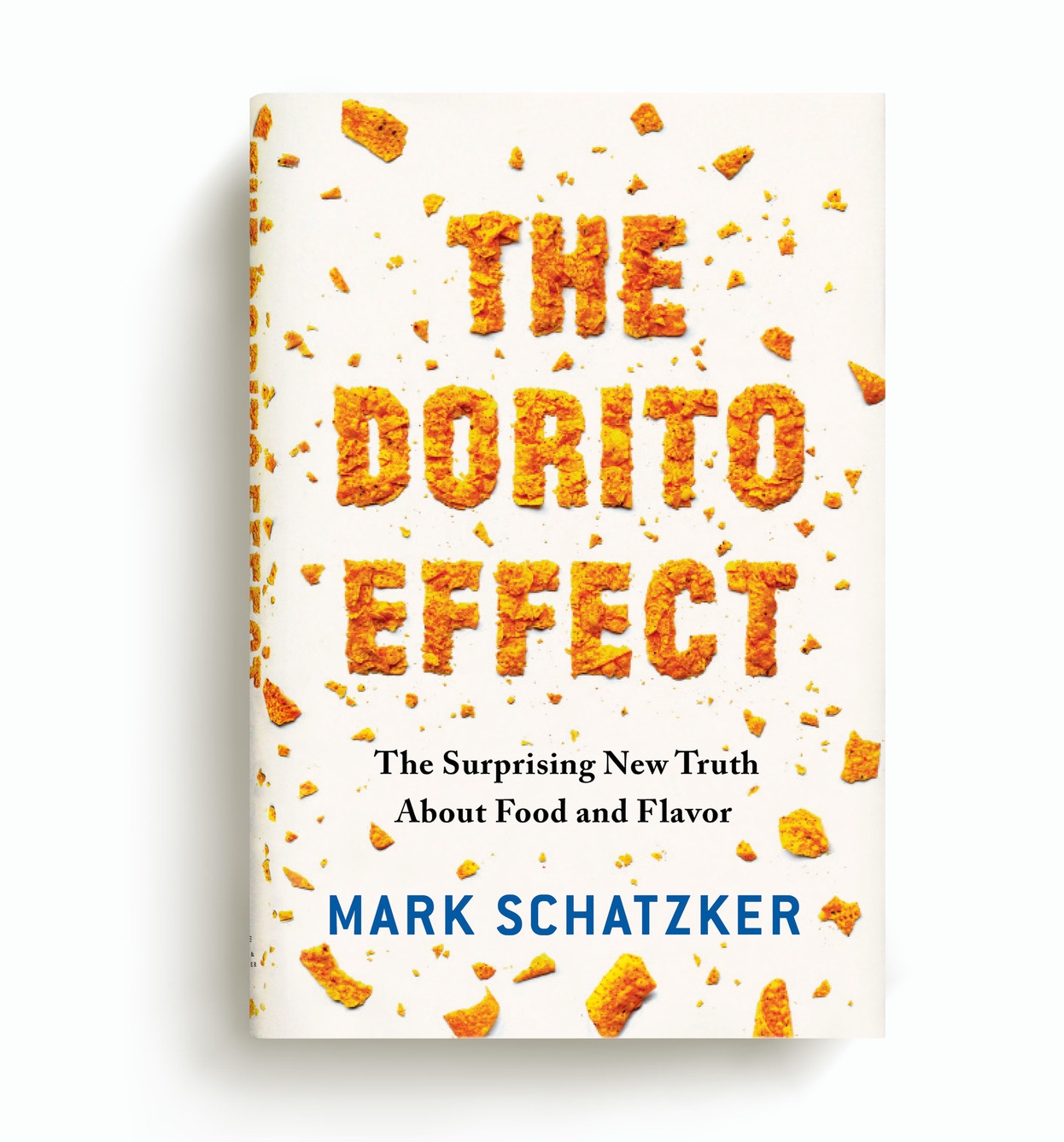
    Book Review: The Dorito Effect: The Surprising New Truth About Food and Flavor by Mark Schatzker

    Is natural flavor actually natural? Quick—yes or no…or maybe?  Or is this a trick question?

    I’m not sure how The Dorito Effect ended up on my reading list (it came out back in 2015), but I’m glad it did. It’s an interesting dive into the world of flavor and how the food industry has quietly changed the way we eat. As someone who follows a whole-food, plant-based diet, I’ll admit the parts about chicken—especially fried chicken—didn’t do much for me. But the sections on tomatoes, and vanilla and its synthetic counterpart vanillin? Those really stuck. I mean, there’s nothing like real vanilla or a sun-ripened heirloom tomato picked right off the vine. Compared to that, supermarket tomatoes are just… sad and bland.

    Schatzker’s main idea—what he calls The Dorito Effect—is that over the past handful of decades, real food has lost its natural flavor thanks to industrial farming. To make up for it, food companies started adding artificial flavorings to make bland food taste exciting. This messes with our natural instincts to choose foods based on what our bodies need. Basically, we’re being tricked into eating more and enjoying it less.

    He traces the start of all this back to the 1960s, when Frito-Lay launched taco-flavored Doritos. They tasted like tacos but had none of the real ingredients. It was a marketing hit—and a major turning point. Suddenly, taste didn’t need to come from real food anymore. Flavor could be engineered. And once that door opened, the food industry ran with it.

    One of the most interesting concepts in the book is “nutritional wisdom”—the idea that humans (and animals) have an instinct for choosing the foods our bodies need. But when everything is artificially flavored, our instincts don’t work the way they’re supposed to. That’s how we end up craving nutrient-poor junk food that’s been engineered to taste amazing.

    Schatzker outlines how fake flavors mess with us:

    • Dilution: Real food becomes bland, so we stop wanting it.
    • Nutritional Decapitation: When we isolate flavor from real ingredients, we lose the nutrition that should come with it.
    • False Variety: Fake flavors make similar processed foods seem more diverse than they actually are.
    • Cognitive Deception: Our minds get fooled—like when strawberry yogurt tastes like strawberries but doesn’t contain any.
    • Emotional Deception: Flavor tech targets the part of our brain that experiences feelings.
    • Flavor-Nutrient Confusion: Artificial flavors create expectations that real food can’t meet.

    Schatzker makes a strong case that this manipulation of flavor plays a big role in the obesity epidemic and related health issues. We’re eating more but getting less nutrition, and our taste buds—and brains—are confused.

    He ultimately argues for going back to real, flavorful food. Eat things that are naturally delicious and you won’t need to fake it with additives. For both health and enjoyment, that’s the way forward.

    So, back to the original question: are natural flavors actually natural? Turns out, not really. They start from natural sources, but by the time they’ve been processed in a lab and blended into food, they’re far from what nature intended. Their job is to make things taste good—not to nourish us. That’s why Schatzker (and I) recommend reading ingredient labels closely.

    The Dorito Effect is an eye-opening read if you’re curious about nutrition, food science, or why modern food tastes the way it does. It might not appeal to everyone, but if flavor and health matter to you, it’s well worth your time.

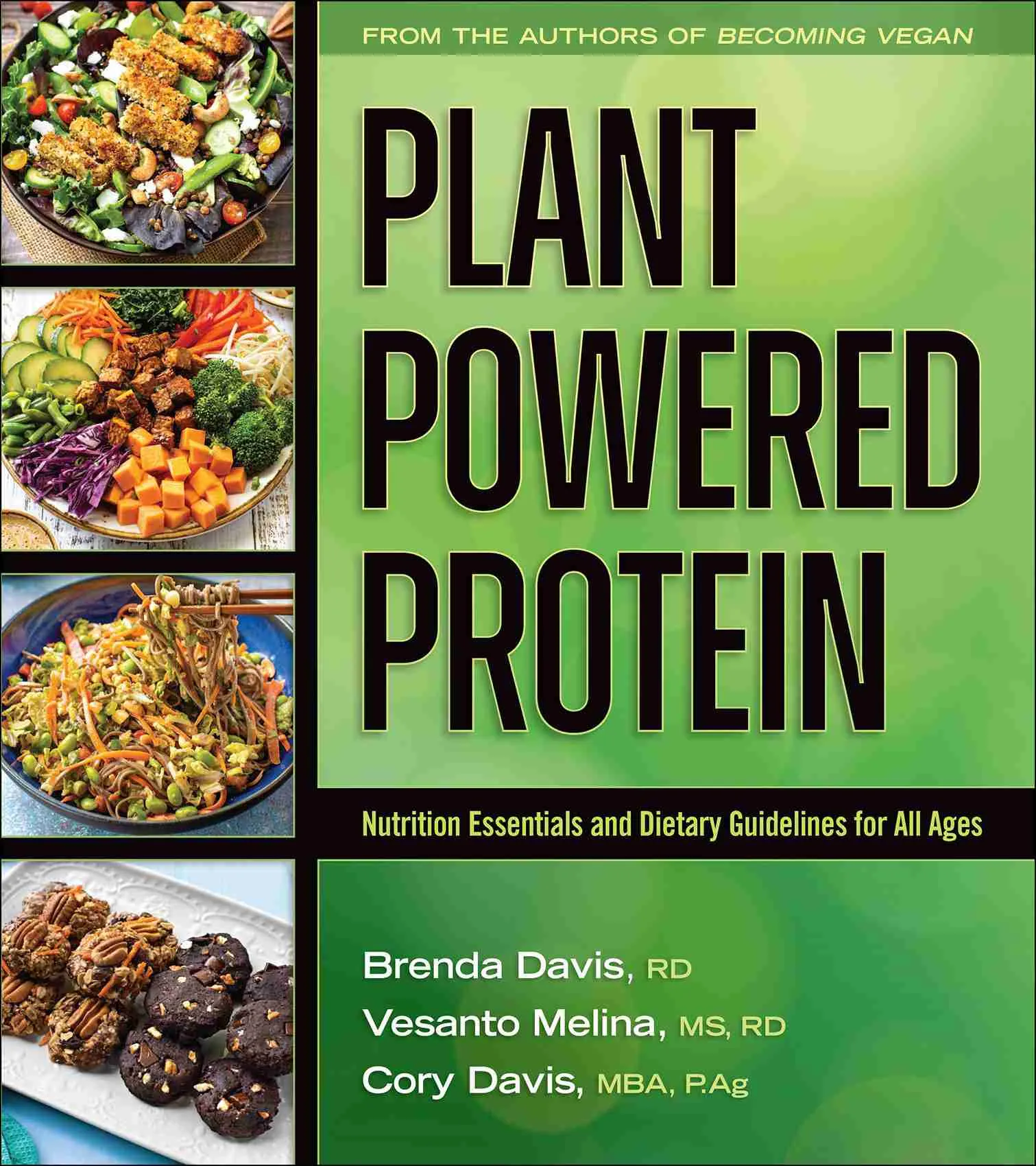
  • Book Review: Plant-Powered Protein by Brenda Davis, Vesanto Melina, and Cory Davis

    Book Review: Plant-Powered Protein by Brenda Davis, Vesanto Melina, and Cory Davis

    If you’re vegetarian, vegan, or simply looking to add more plant-based meals to your plate, Plant-Powered Protein is a must-have resource. Written by renowned Canadian dietitians Brenda Davis and Vesanto Melina, along with Cory Davis, this book is equal parts nutritional textbook and practical cookbook — and that’s exactly what makes it so valuable.

    What I love about this book is how it blends solid, evidence-based nutrition information with approachable, delicious recipes. It answers one of the most common questions in plant-based eating — “But where do you get your protein?” — with clarity, science, and reassurance. You’ll find detailed explanations on protein needs across the lifespan, guidance on plant-based sources, and tips for building balanced, satisfying meals.

    Whether you’re new to plant-based eating or have been on this journey for years, this book offers something for everyone. It’s empowering, practical, and deeply informative — and it deserves a spot on your kitchen shelf.

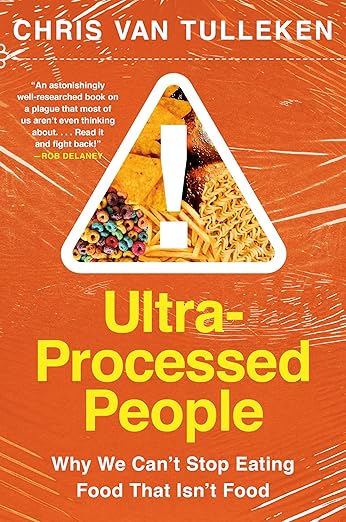
  • Book Review: Ultra-Processed People by Chris van Tulleken

    Book Review: Ultra-Processed People by Chris van Tulleken

    A Fascinating and Informative Deep Dive into Modern Food

    Chris van Tulleken’s Ultra-Processed People is a gripping exposé on the modern food industry, unraveling the science and consequences of ultra-processed foods (UPFs) in a way that is both accessible and deeply compelling.

    With a mix of personal experimentation, scientific research, and historical context, van Tulleken breaks down how UPFs have infiltrated our diets, driving not only poor health outcomes but also reshaping our very relationship with food. He expertly explains how these foods are engineered for overconsumption, designed to be addictive, and often marketed under the guise of convenience or health.

    What makes this book especially powerful is how it connects food choices to broader societal and economic systems. Van Tulleken highlights how food corporations manipulate ingredients, policies, and public perception, prioritizing profits over public health. He also delves into the gut-brain connection, showing how UPFs impact metabolism, hunger hormones, and even mental well-being.

    Beyond being informative, Ultra-Processed People is a wake-up call. It challenges readers to rethink what they eat and how they navigate the modern food landscape. For anyone interested in nutrition, public health, or the food industry’s hidden influences, this book is an essential read.

    If you’re looking for a book that will forever change how you view packaged foods, this is it. Highly recommended!

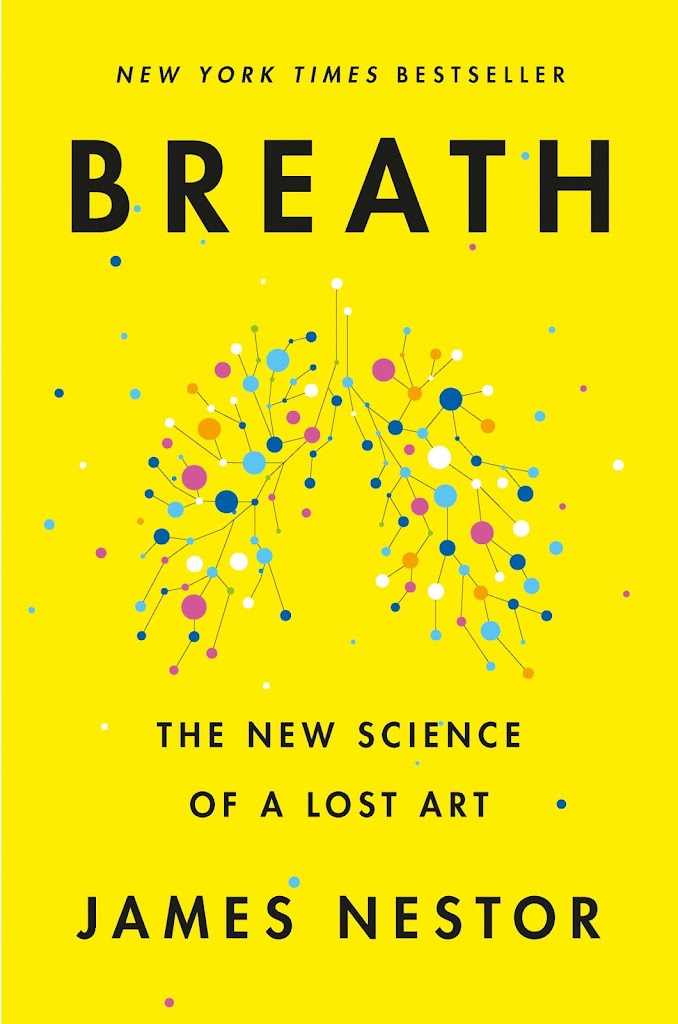
  • Book Review: Breath – The New Science of a Lost Art

    Book Review: Breath – The New Science of a Lost Art

    James Nestor’s Breath is a fascinating deep dive into something we all do—but rarely think about. Blending science, history, and personal experimentation, Nestor uncovers how modern habits have led to dysfunctional breathing and, in turn, a host of health issues.

    One of the book’s strengths is its engaging storytelling. Nestor’s journey, from exploring ancient breathing techniques to undergoing self-experiments that highlight the power of nasal breathing, makes complex science feel accessible and compelling. The research he presents—on everything from the dangers of mouth breathing to the benefits of slow, rhythmic breathing—challenges conventional wisdom and offers practical takeaways for improving overall health.

    For those interested in holistic health, Breath is a game-changer. It sheds light on how something as simple as the way we inhale and exhale can influence sleep, digestion, mental clarity, and even longevity. Having read Breath twice now, I can say it’s one of those books that continues to offer new insights with each read. It’s both educational and actionable, making it a must-read for anyone looking to optimize their health in a simple yet powerful way.

    If you care about your well-being (and who doesn’t?), this book is well worth your time.

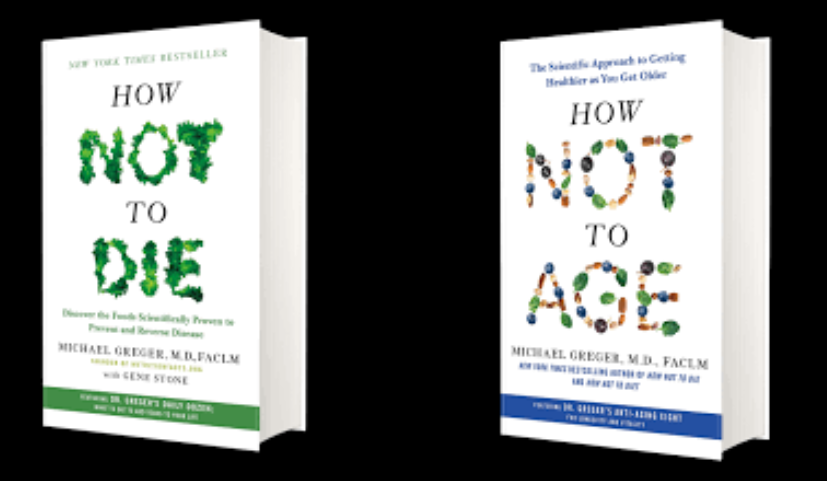
  • Book Comparison of “How Not to Age” and “How Not to Die” by Dr. Michael Greger

    Book Comparison of “How Not to Age” and “How Not to Die” by Dr. Michael Greger


    Dr. Michael Greger, renowned physician, nutritionist, and founder of NutritionFacts.org, has gifted us with two transformative books: How Not to Die (2015) and its recent counterpart, How Not to Age (2023). Both books are rich with evidence-based insights, practical tips, and the empowering message that we can take charge of our health through informed lifestyle choices. While they share some core principles, their focus, tone, and scope differ in meaningful ways. Here is a comparative review to help you determine if and how these books could fit into your wellness journey.

    Focus and Central Premise

    How Not to Die: This book centers on preventing and reversing chronic diseases, such as heart disease, diabetes, cancer, and more. Dr. Greger explores how dietary and lifestyle changes can address the leading causes of premature death. Each chapter focuses on a specific disease, offering a deep dive into its causes and the role of nutrition in prevention and management.

    How Not to Age: In contrast, How Not to Age tackles the science of aging and longevity. Dr. Greger investigates what drives the aging process at a cellular and systemic level, sharing strategies to slow it down. The book combines cutting-edge research on lifespan and healthspan with practical advice on how to extend both. Aging here is presented as a malleable process, not just an inevitable one.

    Writing Style and Tone

    How Not to Die: The tone is urgent yet optimistic. Dr. Greger’s passion for public health shines through as he methodically builds the case for a whole-food, plant-based diet. The book includes vivid case studies and actionable tips, making it accessible to anyone. 

    How Not to Age: While still engaging, the tone in How Not to Age feels more scientific and forward-looking. There’s a heavier emphasis on experimental research. The book does retain Dr. Greger’s characteristic wit but definitely leans more into complex biology.

    Structure and Organization

    How Not to Die: The book is neatly divided into two parts. The first addresses the top killers in Western societies, while the second outlines Dr. Greger’s Daily Dozen checklist—a practical guide to incorporating key health-promoting habits and foods into daily life. This structure is straightforward and user-friendly, especially for people eager to implement changes.

    How Not to Age: This book is organized into thematic sections, covering topics such as cellular repair, mitochondrial function, inflammation, and longevity-promoting diets. While it’s equally well-researched, the structure is denser, reflecting the complexity of aging science. The inclusion of speculative but promising future therapies may intrigue some people but could feel overwhelming to others.

    Practical Takeaways

    How Not to Die: Offers immediately actionable advice grounded in everyday choices. The Daily Dozen simplifies healthy living into manageable steps, making it a great starting point for those new to lifestyle medicine.

    How Not to Age: While practical advice is woven throughout, some recommendations—like fasting regimens or adopting advanced supplements—might feel more advanced. 

    Who Should Read These Books?

    How Not to Die: Ideal for those looking to prevent or reverse chronic diseases, especially if you’re at the beginning of your health journey. It’s perfect for people who want clear, actionable guidance with a strong focus on diet and lifestyle.

    How Not to Age: Best suited for readers interested in longevity and advanced health optimization. Those already familiar with Dr. Greger’s foundational principles may find this a natural progression into more specialized territory.

    Final Thoughts

    While How Not to Die and How Not to Age share a common mission—to help readers lead longer, healthier lives—their approaches diverge significantly. For those seeking immediate, practical tips, How Not to Die is the more approachable choice. Its clear structure and actionable advice make it perfect for anyone wanting to implement healthier habits right away. On the other hand, How Not to Age delves deeply into the science of longevity, which, while fascinating, can feel dense and heavy at times. Readers who enjoy exploring detailed research or are already familiar with foundational health principles may find it rewarding but should be prepared for a more demanding read.

    If you’re just starting your health journey or want simple steps to improve your day-to-day well-being, begin with How Not to Die. For those interested in cutting-edge longevity science and willing to invest more time, How Not to Age offers a compelling next step. Both books, however, are invaluable additions to anyone’s wellness library.